The New FTC Review Rules, Explained for Small Business
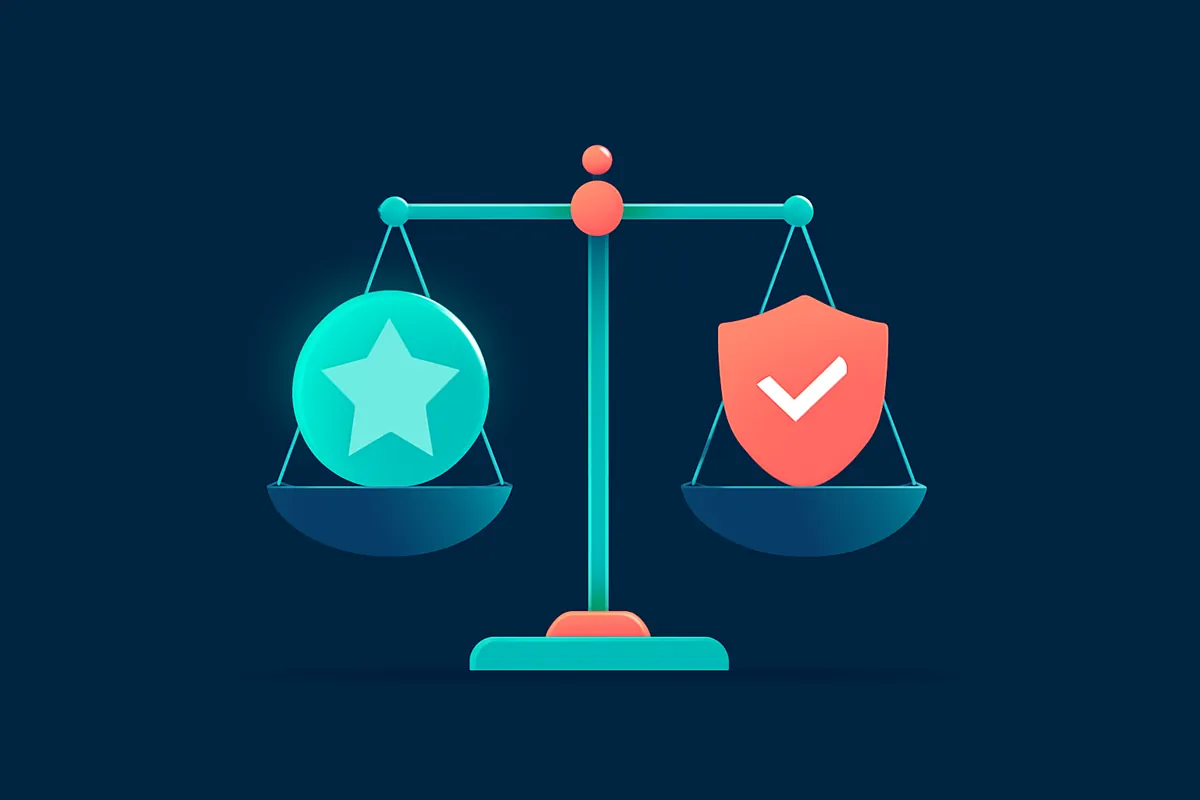
In 2024 the U.S. government put real teeth into the rules around online reviews. If you collect reviews — and you should — here’s what changed and how to stay safely on the right side of it.
What the rule covers
the U.S. Federal Trade Commission‘s Consumer Reviews and Testimonials Rule, in effect since late 2024, targets deceptive review practices and authorizes civil penalties for knowing violations. In plain terms: fake, bought, and selectively-filtered reviews are now legally risky, not just frowned upon.
What’s prohibited
Buying positive reviews, writing fake ones, having employees post reviews without disclosing the relationship, suppressing honest negative reviews, and ‘review gating’ — only asking customers you expect to be happy. Incentivized reviews must disclose the incentive and can’t be conditioned on being positive.
What’s perfectly fine
Asking every customer for an honest review, making it easy, replying to reviews, and showcasing genuine ones. Compliant review collection isn’t hard — it just has to be even-handed and honest.
How to stay compliant without thinking about it
The safest approach is a system that asks everyone, never gates, and never fabricates. That’s how Bird Local is built by design. For the mechanics, see how to ask for reviews the right way.
Sources & further reading
- Harvard Business School research — Reviews, Reputation, and Revenue.
- Northwestern University’s Spiegel Research Center — How Online Reviews Influence Sales.
- the U.S. Federal Trade Commission — Consumer Reviews and Testimonials Rule.
Put your reputation on autopilot
Join local businesses using Bird Local to rank higher, win more customers, and grow revenue.
Start Free →No credit card required · 7-day free trial